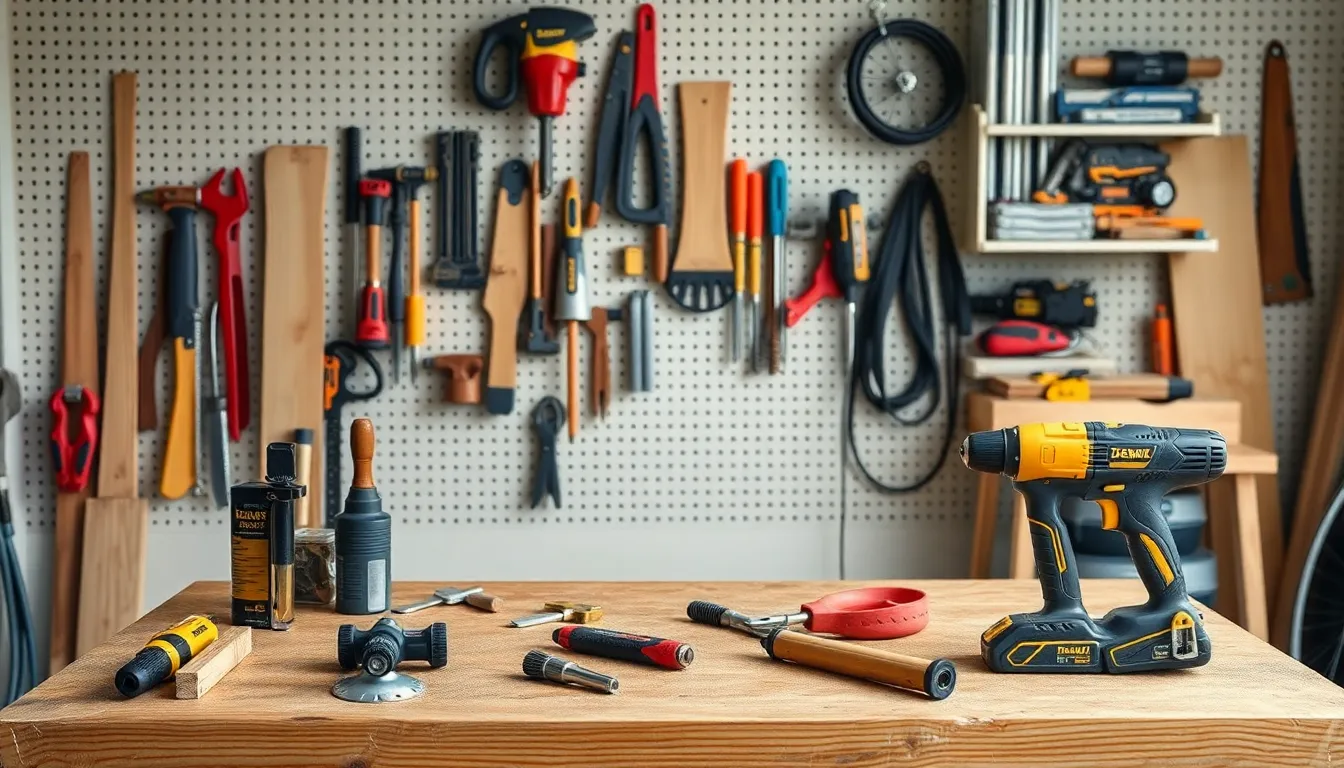
Welcome to the world of woodshop life! If you're a complete beginner dreaming of turning your garage or spare room into a creative haven, you're in the right place. This beginner's guide to woodshop is designed just for you—someone with zero experience, maybe a tight budget, and big excitement about making things with your hands.
Woodworking isn't just a hobby; it's a way to unplug, create tangible results, and feel that rush of accomplishment when you step back from a finished piece. Imagine transforming a rough board into a cutting board for your kitchen or a shelf that holds your favorite books. It's rewarding because it's hands-on therapy in a digital world. No prior skills needed—we'll cover everything from mindset to your first projects.
Whether your "woodshop" is a corner of your garage or a folding table in the basement, this guide keeps it realistic. You'll learn to start small, stay safe, and grow confidently. Let's dive in and make woodworking feel achievable.
The Woodshop Mindset: Why It's So Rewarding
Woodshop life starts in your head. The right mindset turns "I can't do this" into "I just built that!" Think of it like learning to cook: at first, you're chopping veggies clumsily, but soon you're whipping up meals from scratch.
Embrace Patience and Process
Woodworking rewards patience. Projects take time—sanding smooth or fitting joints perfectly isn't instant. But that's the magic: each step builds skill and satisfaction. Relate it to puzzle-building; one piece at a time, and suddenly the picture emerges.
It's therapeutic too. Studies from places like the Association for Psychological Science show hands-on crafts reduce stress. In your home shop, it's your escape—no commute, just you and the wood.
The Joy of Creation on Any Budget
You don't need a mansion-sized shop. Hobbyists worldwide thrive in garages. Why rewarding? Tangible results beat scrolling social media. A $20 board becomes a $100 heirloom shelf. Plus, it's customizable—build for your life, like kid-sized stools or pet ramps.
Set Realistic Expectations
Beginners often think pros were born skilled. Nope! Everyone starts with wonky cuts. Celebrate small wins: a straight line, a glued joint that holds. This mindset keeps you hooked for years.
Woodshop life fosters problem-solving. Stuck on a wobbly leg? Tinker until it works. It's empowering, boosting confidence that spills into daily life.
Essential Starter Tools and Kits for Beginners
Tools can overwhelm newbies, but focus on basics. A "kit" means a starter set under $200-300. Shop sales at Home Depot or Amazon—real-time prices hover around $50 for clamps, $100 for a circular saw.
Prioritize versatile, safe tools for garage setups. No need for a $2000 table saw yet.
Must-Have Power Tools (Under $500 Total)
Start here for speed:
- Circular saw ($50-80): Like a handheld buzzsaw for straight cuts. Pair with a $20 guide rail for accuracy.
- Random orbital sander ($40-60): Sands smooth without swirl marks—your best friend for finishes.
- Drill/driver combo ($80-120): Drills holes, drives screws. Cordless for freedom in small spaces.
- Jigsaw ($40-70): Curves and shapes—great for first projects.
Budget tip: Ryobi or DeWalt One+ batteries interchange, saving cash long-term.
Hand Tools That Last a Lifetime
Power tools cut time, but hands build skill:
- Claw hammer ($10-20): For nails; get a 16-oz steel one.
- Hand saw ($15-25): Japanese pull-stroke for clean cuts (pulls toward you, less binding).
- Chisel set (4-piece, $20-40): Sharpens edges; hone with a $10 stone.
- Tape measure and speed square ($10 each): Measure twice, cut once—speed square ensures 90-degree angles.
- Clamps (4 bar clamps, $20-40): Holds wood steady like extra hands.
Workbench and Accessories
No bench? Use sawhorses ($30/pair) atop a sturdy table. Add a $20 shop vac for dust.
Total starter kit: $250-400. Buy quality over quantity—cheap tools break, killing motivation.
Basic Safety Rules Every Newbie Must Know
Safety first—woodshops are fun, not ER visits. "Kerf" (saw blade's cut width) or "kickback" (tool snapping back) sound scary, but rules make them preventable.
Treat tools like kitchen knives: respect them.
Gear Up Properly
- Safety glasses: ANSI-rated, $10-20. Dust and chips fly.
- Dust mask or respirator: N95 minimum, $15. Wood dust irritates lungs.
- Hearing protection: Earplugs or muffs, $10-20. Saws scream.
- Work gloves: Cut-resistant, not bulky, $15.
- Steel-toe boots: If budget allows, $40; else closed-toe shoes.
Shop Smarts
- Unplug tools when changing blades.
- Keep blades sharp—dull ones slip.
- No loose clothes/jewelry; tie hair back.
- One tool at a time; clear workspace.
- Fire extinguisher nearby—wood dust is flammable.
- Kids/pets out during work.
First aid kit essential: bandages for nicks. If bleeding, pressure and elevate. Most injuries? Distraction. Focus, breathe, work slow.
OSHA stats: 30% of shop accidents from poor habits. Follow these, stay safe, enjoy longer.
Simple First Projects to Build Confidence
Start tiny—success breeds more projects. Use 1x lumber (actual 3/4" thick boards) from big box stores, $5-10 each.
Project 1: Cutting Board (1-2 Hours)
Materials: 1x6 board, food-safe oil.
Steps:
- Cut to 12x18" with circular saw.
- Sand edges smooth (80-220 grit).
- Apply mineral oil.
Analogy: Like toast—simple, useful. Gift it; instant pride.
Project 2: Wall Shelf (3-4 Hours)
Materials: 1x8 board, brackets ($5).
- Measure/mark with speed square.
- Cut ends.
- Sand, stain (Minwax, $10), hang.
Holds books/plants. Wobbly? Shim with washers.
Project 3: Step Stool (Weekend Project)
Materials: 2x4s, plywood scrap.
- Cut legs/ treads per free YouTube plans (search "simple stool").
- Assemble with screws/glue.
- Brace for stability.
Like Lego: stack, secure. Use daily, build confidence.
Free plans abound—Ana White or Woodshop Diaries sites. Video each step on phone for tweaks.
Shop Organization Hacks for Small Spaces
Garage woodshops? Chaos magnets. "Shop vac" (wet/dry vacuum) and pegboard rule small spaces.
Vertical Storage Wins
- Pegboard walls: $20 panel + hooks ($10). Hang saws, clamps.
- PVC pipe racks: Cut 4" pipes, mount for lumber storage.
- Magnetic strips: $10 for bits/screws.
Mobile and Modular
- Rolling cart: $50 from Harbor Freight; holds tools.
- Milk crate shelves: Stack for bins ($5 each).
- Label everything—marker on tape.
Dust control: Shop vac hose on tools. Sweep daily.
Analogy: Like kitchen drawers—zones for utensils (tools), spices (screws). 10 minutes weekly keeps sanity.
Common Beginner Mistakes and How to Avoid Them
Everyone goofs—learn fast.
- Mistake: Rushing measurements. Fix: Measure twice, cut once. Use pencil marks.
- Mistake: Dull blades. Fix: Sharpen or replace monthly.
- Mistake: Ignoring grain. Wood "grain" is fiber direction—cut with it to avoid splits.
- Mistake: Weak joints. Fix: Glue + screws; clamps 24 hours.
- Mistake: Finish fails. Fix: Sand progressively; thin coats.
- Mistake: Overbuying tools. Fix: Borrow/rent first.
Budget buster: Impulse buys. List needs pre-shop.
Patience pitfall: Perfectionism quits newbies. "Good enough" for hobbyists.
Next Steps for Growth
You've got basics—now level up!
- Skill builders: Free YouTube (Steve Ramsey, "Beginner Woodworking").
- Join communities: Reddit r/woodworking (500k+ members), local Meetup groups, or Facebook "Garage Woodworkers."
- Upgrade path: Add miter saw ($100) after 5 projects; table saw later.
- Challenges: Monthly build-alongs online.
- Courses: Skillshare ($15/month) or local classes ($50).
Track progress in a journal. Share pics online—feedback fuels fire.
Woodshop life awaits. Start today—one cut at a time. You've got this!
(Word count: 1987)